Introduction
Finishing a meal should leave you feeling satisfied and energized. However, for many individuals, the post-meal experience is defined by discomfort, cramping, or bloating. If you frequently experience stomach pain after eating, you are not alone.
While often dismissed as simple indigestion, persistent discomfort can be a signal from your body that something deeper requires attention. In this guide, we break down the common causes, the importance of timing, and when to seek specialist care from Dr. Yashavanth.
Understanding the Timing of Your Pain
One of the most important clues in diagnosis is when the pain begins. Not all food-related pain is the same, and the clock often points to where the problem may lie.
- Stomach pain while eating food: This can suggest an issue with the esophagus or upper stomach, such as esophageal spasm or a hiatal hernia.
- Stomach pain immediately after eating: This often points toward gastritis or GERD, where acid-related symptoms flare as soon as food enters the stomach.
- Delayed pain 1 to 3 hours later: This may involve the small intestine, gallbladder, or pancreas as food moves deeper into the digestive tract.
10 Common Causes of Stomach Pain After Eating Food
Indigestion (Dyspepsia)
Dyspepsia is one of the most common causes of discomfort after meals. It is a symptom cluster that may include bloating, nausea, fullness, and a burning feeling in the upper abdomen. It is often triggered by fast eating or high-fat meals.
Gastroesophageal Reflux Disease (GERD)
If you feel a burning sensation rising toward the throat, GERD may be responsible. Acid reflux can cause stomach pain immediately after eating when acid moves back into the esophagus and irritates its lining.
Food Intolerances (Lactose, Gluten, etc.)
A common reason for stomach pain after eating is difficulty digesting certain nutrients. Lactose intolerance and celiac disease can cause cramping, bloating, gas, and sharp pain after consuming dairy or gluten-containing foods.
Gastritis
Gastritis is inflammation of the stomach lining. When you eat, acid production increases, and if the lining is already inflamed, it can lead to sharp stomach pain after eating.
Peptic Ulcers
Peptic ulcers are sores in the stomach or duodenal lining. Some ulcers improve briefly with food, while gastric ulcers may cause significant pain after meals and sometimes night symptoms.
Gallstones
The gallbladder releases bile to digest fats. If gallstones are present, contraction of the gallbladder after a greasy meal can cause intense pain, usually in the upper right side of the abdomen and sometimes radiating to the back.
Irritable Bowel Syndrome (IBS)
IBS affects the large intestine and can make the gastrocolic reflex overactive. Eating may trigger immediate cramping, bloating, or urgency, making stomach pain after eating a daily issue for some patients.
Overeating and Aerophagia
Sometimes the cause is mechanical stretching. Overeating or swallowing too much air while eating can create painful pressure, distension, and post-meal discomfort.
Pancreatitis
Deep pain that seems to bore through to the back after meals may point to the pancreas. This organ produces digestive enzymes, and inflammation here can make pain after eating severe and persistent.
Food Poisoning
Sudden intense pain after eating, especially when combined with nausea, vomiting, or fever, may result from bacterial or viral contamination in food.
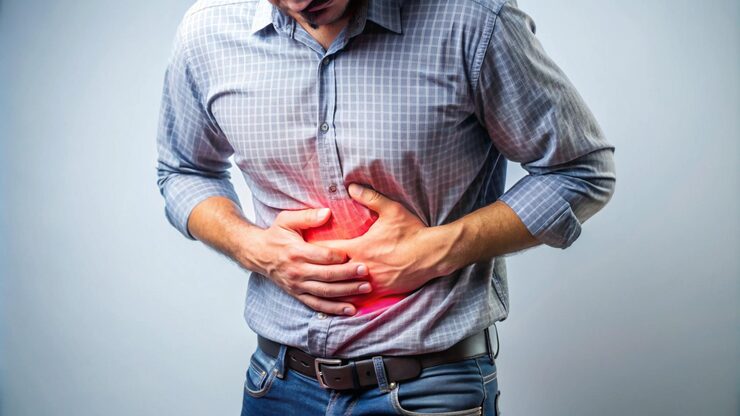
Dr. Yashavanth's medical insight: Do not ignore persistent symptoms. Even manageable pain can reflect chronic inflammation in the digestive tract, which may lead to long-term complications if left untreated.
When to See a Specialist (The Red Flags)
Consult Dr. Yashavanth promptly if stomach pain when eating is accompanied by any of the following warning signs:
- Unexplained weight loss.
- Difficulty swallowing or the feeling that food is stuck.
- Persistent vomiting or blood in the stool, including black stools.
- Pain that wakes you in the middle of the night.
Simple Relief Strategies While You Seek Care
- Eat smaller meals and avoid overeating.
- Track trigger foods such as dairy, gluten, greasy meals, and spicy foods.
- Eat slowly to reduce swallowed air and bloating.
- Sip small amounts of water instead of drinking heavily during meals.
- Seek formal evaluation if pain is frequent, worsening, or linked to red flags.
Frequently Asked Questions (FAQs)
1. Why do I experience stomach pain immediately after eating?
Stomach pain immediately after eating is often linked to upper gastrointestinal conditions such as GERD or gastritis. If it starts while swallowing, a hiatal hernia or esophageal spasm may also be possible.
2. Is it normal to have a stomach ache after eating food every day?
No. Occasional indigestion can happen, but daily pain usually suggests an underlying issue such as IBS, food intolerance, or peptic ulcer disease and should be evaluated by a gastroenterologist.
3. What is the most common reason for stomach pain after eating fatty meals?
Gallstones or gallbladder inflammation are common causes. The gallbladder contracts to digest fats, and stones can make that contraction painful.
4. Can stress and anxiety cause pain in the stomach after eating?
Yes. The gut-brain axis can make the digestive system more sensitive, especially in people with functional dyspepsia or IBS.
5. How can I tell the difference between indigestion and a stomach ulcer?
Indigestion usually causes bloating, fullness, or mild burning soon after meals. Ulcer pain is often more gnawing or boring and may appear 1 to 3 hours later or wake you at night.
6. Does drinking water help with pains in the stomach after eating?
Hydration helps digestion overall, but drinking large volumes during meals may worsen pressure and bloating. Small sips or drinking water about 30 minutes later is often better tolerated.
7. Why does my stomach hurt when eating specific foods like bread or dairy?
This pattern commonly suggests food intolerance. Gluten and lactose are frequent triggers and may cause gas, bloating, and cramping because they are not being properly broken down.
8. When is stomach pain after eating a medical emergency?
Seek urgent medical care if the pain is accompanied by high fever, black or bloody stools, persistent vomiting, or severe pain that prevents you from standing upright.
Conclusion
Persistent stomach pain is not something you should ignore. Whether it is related to indigestion, GERD, food intolerance, gallstones, or IBS, the first step is an expert diagnosis.
Take control of your digestive health. If you are struggling with stomach pain after eating, book your consultation with Dr. Yashavanth today.
Book Appointment