Endoscopy
Services
- Digestive Diseases
- Inflammatory Bowel Diseases
- Liver Diseases
- Pancreatic Diseases
- GERD
- Irritable Bowel Syndrome
- Endoscopy
- Colonoscopy
- Biliary & Gall Bladder Diseases
- EUS Diagnostics and Therapeutics
- Hemorrhoids & Anal Fissure
- POEM & Minimally Invasive GI Interventions
- Early GI Cancer Screening & ESD
- Obesity Management
- GI Emergencies and Luminal Therapeutics

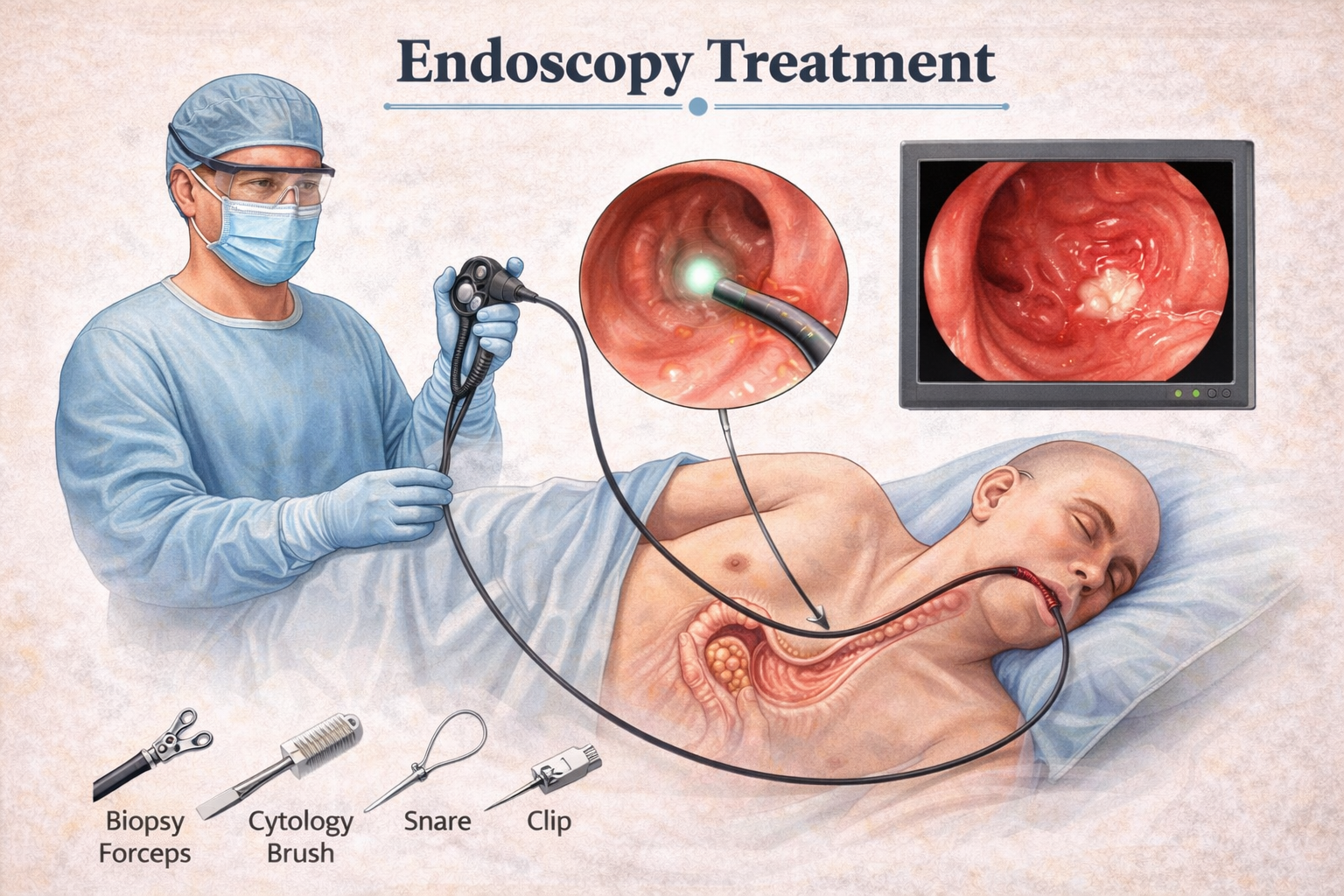
Endoscopy in Nagarbhavi, Bangalore - Advanced Gastrointestinal Diagnostic Procedure
Looking for the best gastroenterologist for an endoscopy in Nagarbhavi? Dr. Yashavanth H S provides expert diagnostic and therapeutic endoscopy services at INSTINE Clinic. This minimally invasive procedure allows for a precise examination of the digestive tract to identify ulcers, inflammation, or early-stage cancers. Utilizing advanced medical technology, we ensure a comfortable experience with highly accurate results for patients across Bangalore. Whether you are dealing with persistent acid reflux, abdominal pain, or require routine screening, our clinic offers specialized care tailored to your digestive health. Book your consultation today for professional endoscopic evaluation near you.
Common Indications for Endoscopy
Endoscopy is recommended for patients experiencing digestive symptoms or requiring evaluation for gastrointestinal conditions. Common indications include:Persistent heartburn or acid reflux,Difficulty swallowing (dysphagia),Chronic abdominal pain or nausea,Unexplained bleeding or anemia,Polyps, ulcers, or suspected tumors and Follow-up after GI surgery or treatment
Advantages of Endoscopy
Endoscopy allows for early and precise diagnosis, targeted treatment, and minimal invasiveness. It reduces the need for major surgery, allows faster recovery, and helps monitor chronic gastrointestinal conditions effectively.
When to Consult a Doctor ?
You should consult a specialist if you have persistent digestive symptoms such as pain, bleeding, or difficulty swallowing. Early consultation allows timely scheduling of endoscopy and helps prevent complications from undiagnosed gastrointestinal issues.
Advanced Endoscopy Services Offered
-
Diagnostic endoscopy and colonoscopy
Used to visually examine the digestive tract and large intestine for accurate diagnosis. Helps detect ulcers, inflammation, polyps, bleeding, and other abnormalities early. -
ERCP (Endoscopic Retrograde
Cholangiopancreatography)
A specialized procedure to diagnose and treat bile duct and pancreatic duct disorders. Commonly used for gallstones, strictures, leaks, and pancreatic conditions. -
EUS (Endoscopic Ultrasound)
Combines endoscopy and ultrasound to obtain detailed images of digestive organs. Helps assess tumors, cysts, lymph nodes, and pancreatic diseases with precision. -
ENTEROSCOPY
Used to examine the small intestine that cannot be reached by routine endoscopy. Helps diagnose bleeding, tumors, strictures, and small bowel disorders. -
CAPSULE ENDOSCOPY
A non-invasive test using a swallowable camera capsule to image the small intestine. Ideal for detecting obscure bleeding, Crohn’s disease, and small bowel lesions. -
Cancer screening endoscopy and colonoscopy
Helps in early detection of gastrointestinal cancers and pre-cancerous lesions. Timely screening significantly improves treatment outcomes and survival rates. -
Manometry
Measures pressure and muscle function of the esophagus and gastrointestinal tract. Useful in diagnosing motility disorders like achalasia and swallowing difficulties. -
24hr impedence and Ph metry
Evaluates acid and non-acid reflux over a 24-hour period. Helps diagnose GERD and assess response to reflux treatment accurately. -
Breath tests
Non-invasive tests used to diagnose infections like H. pylori and food intolerances. Also helpful in identifying conditions such as lactose intolerance and SIBO. -
GI tract stentings and dilataions
Performed to relieve narrowing or obstruction in the gastrointestinal tract. Improves swallowing, digestion, and bowel movement without major surgery. -
Third space endoscopy including POEM, ESD
Advanced minimally invasive endoscopic procedures for complex GI conditions. Allows effective treatment with faster recovery and reduced surgical risk.
Book an Appointment
If you need diagnostic evaluation or treatment through endoscopy, book an appointment with Dr. Yashavanth H S for expert care. Early endoscopic assessment ensures accurate diagnosis, effective treatment, and improved digestive health.


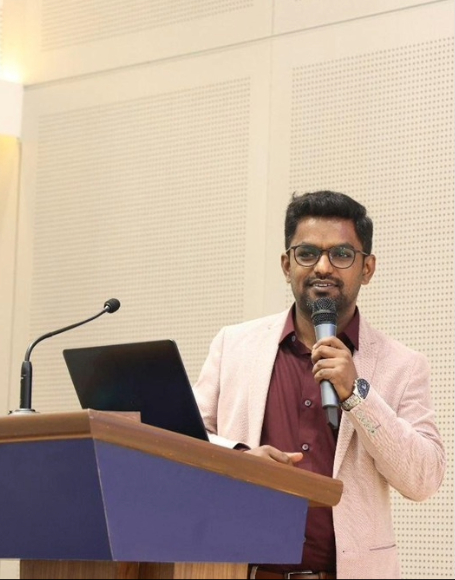
Dr. Yashavanth H S
00
+Years Of Experience


Dr. Yashavanth H. S. is a Consultant Gastroenterologist with nearly 15+ years of specialized experience in managing a wide range of gastrointestinal and liver disorders. He holds a DrNB in Gastroenterology from the renowned Asian Institute of Gastroenterology and an MD in General Medicine from Bangalore Medical College. Dr. Yashavanth is highly skilled in diagnostic and therapeutic endoscopy, including ERCP, EUS, and advanced endoscopic procedures, with a keen interest in neurogastroenterology.
-
DrNB-Certified Gastroenterologist
-
Expert in Advanced Endoscopy
-
Consultant Gastroenterologist and Interventional Endoscopist
Frequently Asked Questions (FAQ)
1 What is an endoscopy and why do I need it?
An endoscopy is a safe, minimally invasive procedure where a thin, flexible tube with a camera (endoscope) is used to examine your upper digestive tract. Dr. Yashavanth H S recommends this to diagnose the cause of persistent heartburn, stomach pain, difficulty swallowing, or unexplained bleeding.
2 Is the endoscopy procedure painful?
The procedure is generally not painful. At our clinic in Nagarbhavi, we use a local anesthetic spray to numb your throat and often provide a mild sedative to help you stay relaxed and comfortable. Most patients feel only a slight pressure or bloating during the 15-minute process.
3 How should I prepare for my endoscopy appointment?
Preparation is simple but crucial. You must fast (no food or water) for at least 6 to 8 hours before the procedure to ensure a clear view of your stomach. Please inform Dr. Yashavanth about any medications you are taking, especially blood thinners or diabetic medications.
4 Can I drive home after the endoscopy?
If you receive sedation, you cannot drive for 24 hours as the medication affects your reflexes and judgment. We strictly require that a friend or family member accompanies you to the clinic to escort you home safely.
5 When will I get my endoscopy results?
Dr. Yashavanth will usually discuss the preliminary findings with you immediately after the procedure. However, if a biopsy (tissue sample) was taken, those results typically take 5 to 7 days to be processed by the lab.
Excellence Reflected in Patient Experiences.
One of my family members was treated for Achalasia Cardia Type II with the POEM procedure by Dr. Yashwanth at Manipal Hospitals, Yelahanka. He explained the condition clearly and handled the procedure with great expertise and care.

Girish V N
Patient
I underwent the POEM procedure for Achalasia Cardiac Type II with Dr. Yashwanth at Manipal Hospital, Yelahanka. He managed the treatment with great expertise and care, and the overall experience was very positive.
Jyoti A
Patient
Dr Yashwant is a very experienced gastroenterologist with up-to-date standard of care. A must recommendation for all who have stomach and intestine related illness.

Avinash Rao
Patient
