Advanced Endoscopic Tumour Removal by Dr. Yashavanth H S
Dr. Yashavanth H S, Consultant Gastroenterologist and Advanced Endoscopist, recently performed an endoscopic removal of an esophageal subepithelial tumour using an advanced procedure called STER (Submucosal Tunnel Endoscopic Resection) at Manipal Hospitals, Yelahanka, Bengaluru.
This case highlights how advances in therapeutic endoscopy and minimally invasive GI tumour treatment are providing selected patients with alternatives to conventional surgery.
Can a tumour in the food pipe/ GI tract be removed without major surgery?
Yes. In carefully selected patients, certain gastrointestinal (GI) tumours and subepithelial lesions can be removed through the natural opening of the digestive tract using advanced endoscopic techniques.
Instead of making an external surgical cut, the gastroenterologist can access and remove selected tumours through the mouth using a flexible endoscope.
What is an esophageal subepithelial tumour?
The wall of the food pipe (esophagus) consists of several layers. Sometimes, a growth develops underneath the inner lining of the esophagus. These are known as subepithelial lesions or subepithelial tumours.
Many of these lesions are benign, but some can have malignant potential. Therefore, appropriate evaluation is important to determine the nature of the lesion and whether removal is required.
What is STER?
STER stands for Submucosal Tunnel Endoscopic Resection.
It is an advanced minimally invasive endoscopic procedure used to remove selected tumours arising from the deeper layers of the gastrointestinal tract, particularly the esophagus.
In simple terms, the endoscope is passed through the mouth into the food pipe. A small opening is created in the inner lining, and a tunnel is carefully made underneath the lining to reach the tumour.
The tumour is then carefully separated from the surrounding tissue and removed through the endoscope. The entry point is subsequently closed using endoscopic techniques.
There is no external surgical incision.
The procedure in pictures
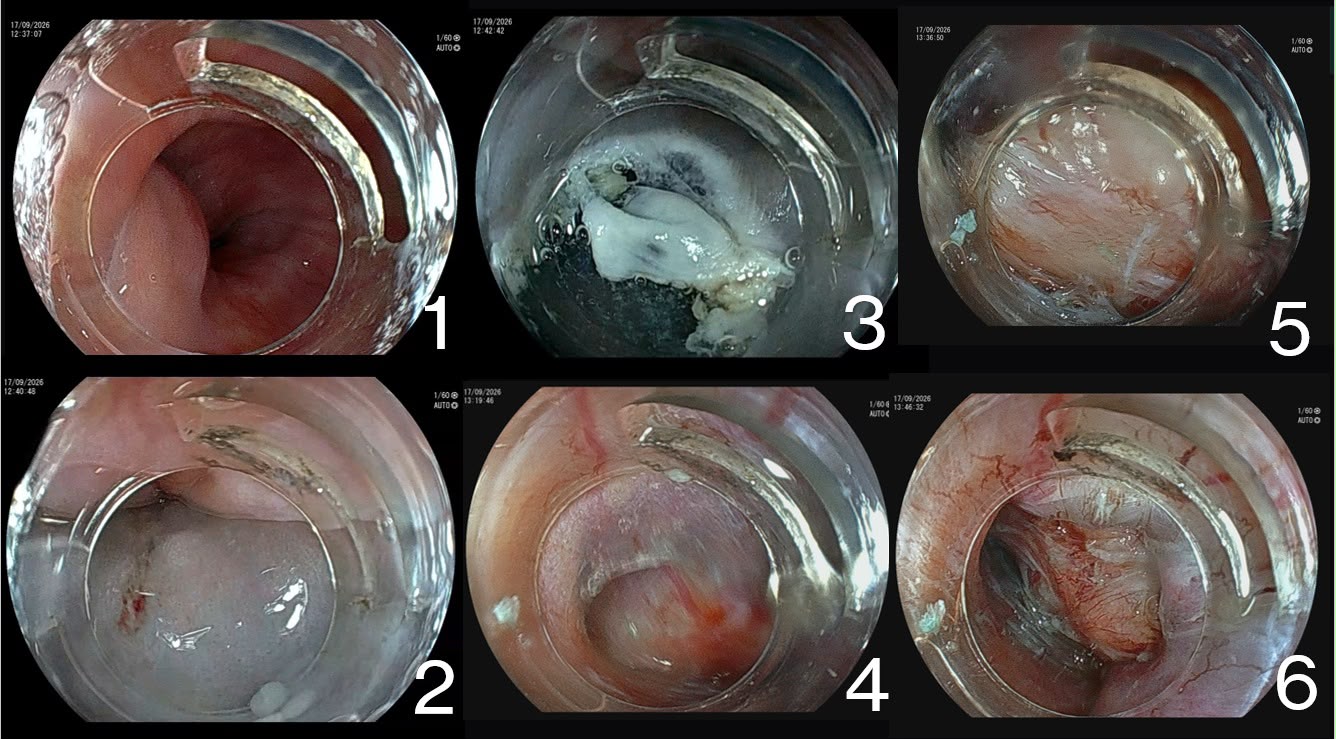
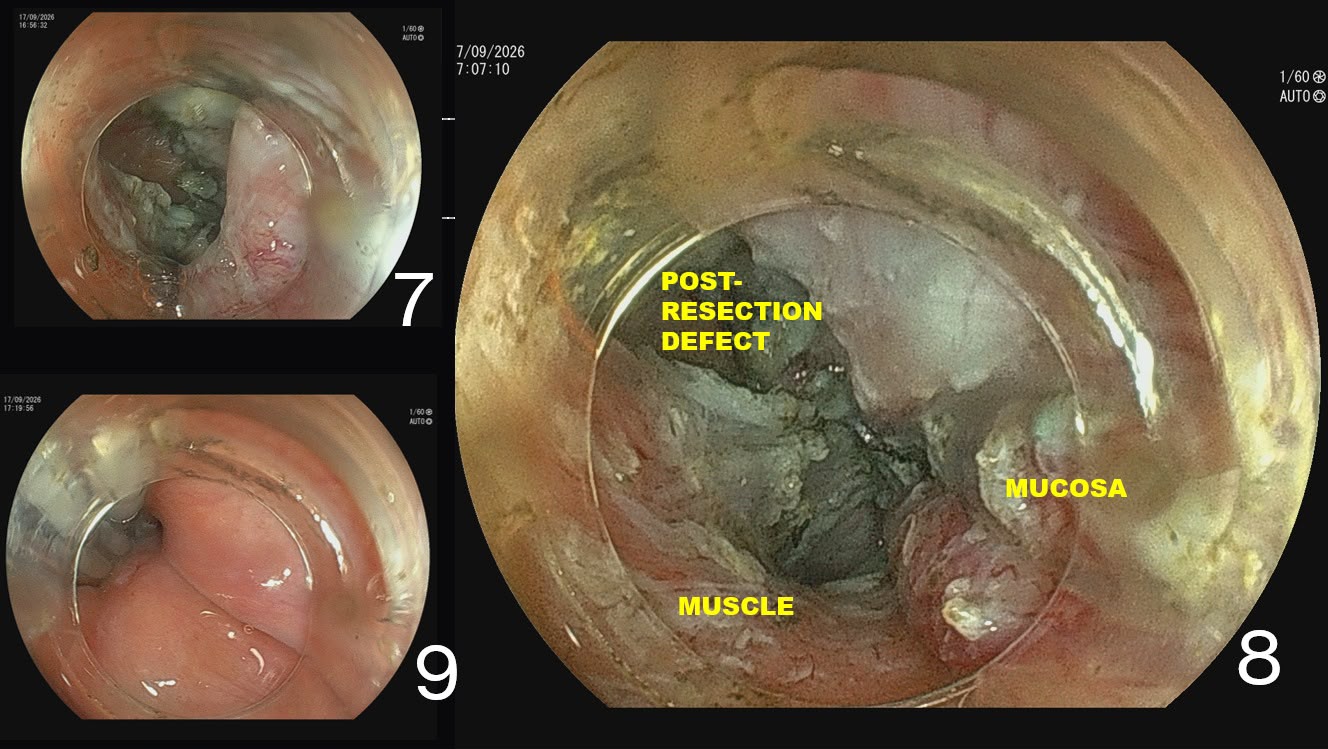
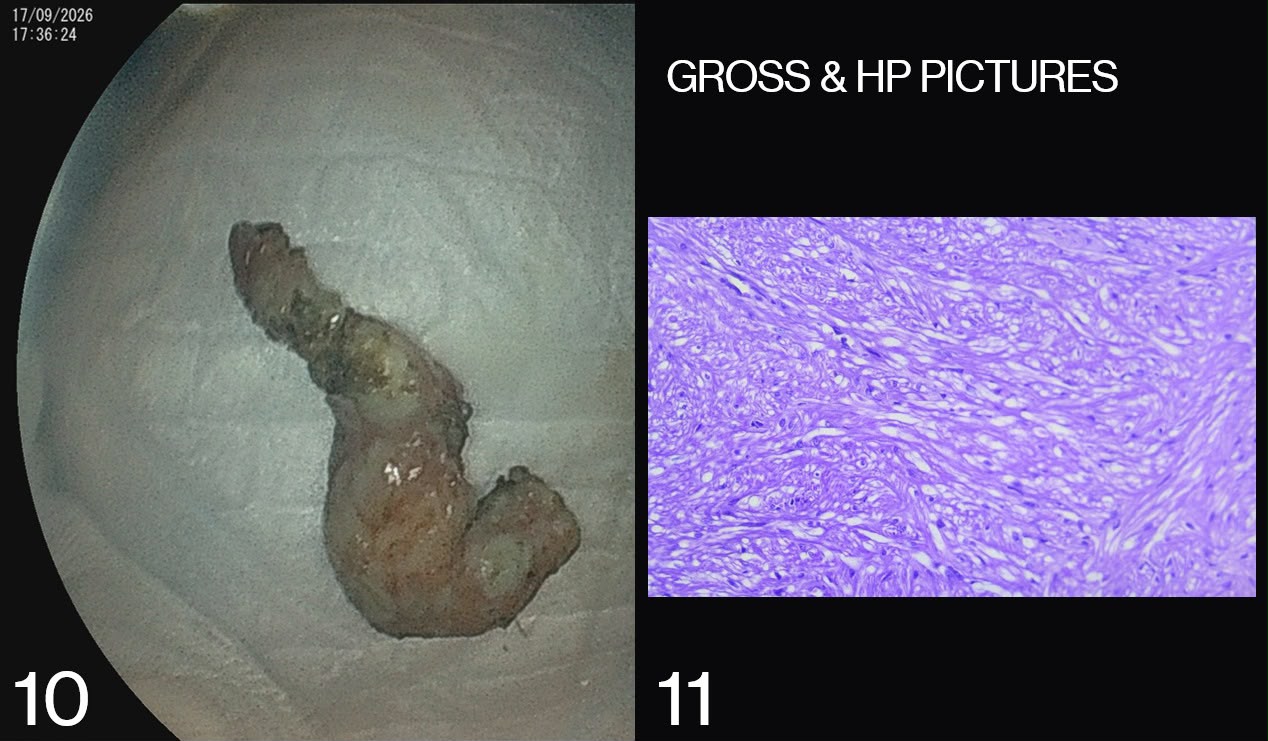
What are the advantages of endoscopic tumour removal?
For appropriately selected gastrointestinal tumours, advanced endoscopic removal may offer several potential advantages compared with conventional surgery:
- No external surgical incision
- Minimally invasive treatment
- Less disruption of surrounding tissues
- Preservation of the normal anatomy of the esophagus
- Potentially shorter hospital stay
- Faster recovery in appropriately selected patients
- Direct visualization and precise removal of the lesion
However, endoscopic removal is not appropriate for every tumour. Careful assessment by an experienced advanced endoscopy team is essential.
How is a patient selected for STER?
Before recommending endoscopic removal, several factors need to be evaluated, including:
- Size of the tumour
- Location within the esophagus
- Layer of the esophageal wall from which the lesion originates
- Findings on Endoscopic Ultrasound (EUS)
- Appearance and characteristics of the lesion
- Suspected type of tumour
- Relationship with surrounding structures
- Possibility of achieving complete endoscopic removal
Depending on the situation, endoscopy, EUS, CT or other imaging may be required before deciding on treatment.
Endoscopic removal of GI tumours – an evolving field.
Dr Yashavanth H S is one of the pioneers in this regard in the state of Karnataka.
The field of advanced therapeutic endoscopy has expanded significantly in recent years.
Procedures such as:
- STER – Submucosal Tunnel Endoscopic Resection
- ESD – Endoscopic Submucosal Dissection
- EMR – Endoscopic Mucosal Resection
- POEM – Peroral Endoscopic Myotomy
- Other advanced endoscopic resection techniques
allow selected gastrointestinal conditions to be treated through the digestive tract, avoiding conventional surgery in appropriately chosen patients.
These procedures require specialized equipment, advanced endoscopic skills, appropriate patient selection and multidisciplinary decision-making.
A step forward in minimally invasive GI tumour treatment
The successful endoscopic removal of an esophageal subepithelial tumour demonstrates the growing role of advanced endoscopy in the treatment of gastrointestinal tumours.
Dr. Yashavanth H S, Consultant Gastroenterologist and Advanced Endoscopist, has a special interest in therapeutic endoscopy and advanced endoscopic procedures, including the management of complex gastrointestinal lesions.
The procedure was performed at Manipal Hospitals, Yelahanka, Bengaluru.
Have you been diagnosed with a tumour or lump in the food pipe?
A diagnosis of an esophageal subepithelial lesion, gastrointestinal stromal tumour (GIST), leiomyoma or other gastrointestinal tumour does not automatically mean that major surgery is required.
In selected cases, endoscopic tumour removal may be an option.
A detailed assessment with endoscopy, Endoscopic Ultrasound (EUS) and appropriate imaging can help determine the most suitable treatment approach.
Consult an experienced gastroenterologist and advanced endoscopist to understand whether endoscopic removal is appropriate for your condition.
The choice of treatment depends on the individual patient's condition, tumour characteristics, location and specialist assessment. Not every gastrointestinal tumour can or should be removed endoscopically.
