Introduction
In the fast-paced, high-demand environment of Bangalore, digestive health problems have evolved from occasional discomfort into a primary urban wellness concern. Known as India's technology capital, Bangalore's dynamic lifestyle—marked by demanding workplace hours, prolonged daily traffic commutes, irregular meal schedules, increased intake of processed or spicy regional foods, and elevated stress—has caused a notable surge in gastrointestinal (GI) and liver conditions. Whether you suffer from persistent chest burning after late dinners, severe abdominal bloating during working hours, or irregular bowel patterns, ignoring your body's signals can lead to long-term health complications.
When seeking specialist medical care, selecting the best gastroenterologist in Bangalore is a crucial step toward long-term recovery. Your gastrointestinal system forms the foundation of overall body vitality, immune strength, nutrient absorption, and emotional balance through the complex gut-brain connection. Consulting a qualified top gastroenterologist doctor in Bangalore ensures that your digestive symptoms are not merely masked with temporary over-the-counter antacids, but accurately evaluated and permanently managed at their root cause.
Why Specialized Gastrointestinal Care Matters
The human gastrointestinal tract is a 30-foot continuous organ system responsible for breaking down food, absorbing vital nutrients, filtering metabolic waste, and protecting the body against ingested pathogens. When any component of this intricate system—including the esophagus, stomach, small intestine, colon, liver, pancreas, or gallbladder—experiences infection, chronic inflammation, or functional impairment, expert medical evaluation becomes necessary. Self-medication or delaying medical care often allows treatable conditions like peptic ulcers, fatty liver, or early mucosal lesions to worsen unchecked.
Understanding Gastroenterology: Medical vs. Surgical Gastro Care
When searching online for a gastroenterology specialist doctor near me, patients frequently encounter confusion regarding the distinct responsibilities of medical gastroenterologists and surgical gastroenterologists. Understanding these sub-specialties ensures you consult the correct expert for your diagnostic and therapeutic needs.
What Does a Medical Gastroenterologist Do?
A medical gastroenterologist is a specialized physician who focuses on the non-surgical diagnosis, medical management, and endoscopic treatment of diseases affecting the digestive system and liver. These specialists utilize advanced diagnostic procedures—such as upper GI endoscopy, colonoscopy, capsule endoscopy, endoscopic ultrasound (EUS), and specialized blood panels—to evaluate organ health. Treatment strategies employed by a medical GI specialist include evidence-based pharmaceutical therapies, gut microbiome restoration, dietary planning, and therapeutic endoscopic interventions (such as polyp removal, band ligation, or stricture dilation).
When Do You Need a Liver Specialist (Hepatologist)?
Hepatology is an advanced sub-specialty of gastroenterology dedicated specifically to disorders of the liver, gallbladder, biliary tree, and pancreas. If you have been diagnosed with fatty liver, elevated liver enzymes (ALT/AST), chronic hepatitis B or C, jaundice, or gallstone complications, consulting the best liver specialist in Bangalore ensures specialized care aimed at reversing liver fat, preventing fibrosis, and protecting long-term organ health.
Red Flag Symptoms: When to Consult a Stomach Doctor Immediately
Digestive issues range from mild, temporary indigestion to serious clinical conditions. Knowing when to seek timely evaluation from a GI doctor near Yelahanka, Hebbal, or Nagarbhavi can prevent complications and ensure early intervention.
Severe Digestive Warning Signs
If you experience any of the following warning signs, scheduling an immediate consultation with a stomach specialist is strongly advised:
- Persistent Acid Reflux: Frequent heartburn or acid regurgitation occurring more than twice a week or failing to respond to antacids.
- Difficulty Swallowing (Dysphagia): Painful swallowing or the sensation of food getting stuck in your throat or chest.
- Unexplained Weight Loss: Rapid, unintentional weight loss accompanied by loss of appetite.
- Severe Abdominal Pain: Persistent, sharp, or localized pain in the upper or lower abdomen.
- GI Bleeding Signs: Presence of blood in vomit or dark, tarry black stools.
- Chronic Bowel Changes: Persistent diarrhea or constipation lasting longer than two weeks.
- Jaundice: Yellowing of the eyes and skin, accompanied by dark yellow urine or pale stools.
- Unexplained Bloating & Swelling: Continuous abdominal distension or fluid accumulation.
The Impact of Bangalore's Urban Lifestyle on Gut Health
Living in a fast-paced technology hub exposes working professionals to daily stressors that impact digestive function. Extended desk work, high psychological stress, late dining, and dependency on processed meals can disrupt gut motility and alter normal digestion. Stress activates the sympathetic nervous system, slowing down digestion, altering intestinal microbiota, and triggering conditions like acid reflux, SIBO (Small Intestinal Bacterial Overgrowth), and Irritable Bowel Syndrome (IBS).
Common Gastrointestinal Disorders We Treat in Bangalore
At the clinical practice of Dr. Yashavanth H S, patient care focuses on root-cause diagnosis and personalized treatment plans for a wide spectrum of digestive disorders.
Upper GI Care
- Acid Reflux / GERD
- Peptic Ulcers
- Achalasia (POEM)
- H. pylori Cure
Lower GI Care
- IBS Management
- IBD (Crohn's / UC)
- Polyp Removal
- Colon Screening
Hepatobiliary Care
- Fatty Liver (NAFLD/NASH)
- Viral Hepatitis (B & C)
- Liver Cirrhosis Care
- Gallstone & ERCP Care
Gastroesophageal Reflux Disease (GERD) & Chronic Acid Reflux
GERD develops when lower esophageal sphincter muscles weaken, allowing stomach acid and digestive fluid to flow back into the esophagus. This irritation causes burning chest pain (heartburn), acid regurgitation, chronic throat clearing, and a lump sensation. Unmanaged GERD can lead to esophageal strictures or Barrett's esophagus. Comprehensive GERD treatment includes diagnostic upper GI endoscopy, acid suppression therapy, lifestyle adjustments, and targeted anti-reflux measures.
Irritable Bowel Syndrome (IBS) & Functional Bowel Disorders
Irritable Bowel Syndrome (IBS) is a common functional gastrointestinal condition affecting the large intestine. Symptoms include abdominal cramping, bloating, excess gas, diarrhea (IBS-D), constipation (IBS-C), or mixed bowel habits (IBS-M). Effective management by an IBS treatment doctor in Bangalore utilizes low-FODMAP dietary modification, gut-brain axis modulation, stress reduction strategies, and tailored probiotics.
Non-Alcoholic Fatty Liver Disease (NAFLD) & Liver Health
Non-Alcoholic Fatty Liver Disease (NAFLD) is an increasingly common liver condition in urban centers, closely tied to metabolic factors, sedentary routines, and insulin resistance. Fat accumulation in liver cells can progress to Non-Alcoholic Steatohepatitis (NASH), progressive scarring, and liver cirrhosis. Timely intervention by an expert liver doctor in Bangalore using dietary structuring, exercise plans, and targeted therapy can help reverse early-stage fatty liver.
Peptic Ulcers, Gastritis, and H. pylori Eradication
Gastritis (inflammation of the stomach lining) and peptic ulcers (open mucosal sores) are commonly triggered by chronic infection with Helicobacter pylori (H. pylori) bacteria or frequent use of pain relievers (NSAIDs). Symptoms include gnawing stomach pain, nausea, and indigestion. Endoscopic diagnosis followed by targeted antibiotic eradication protocols cures the underlying infection and promotes mucosal healing.
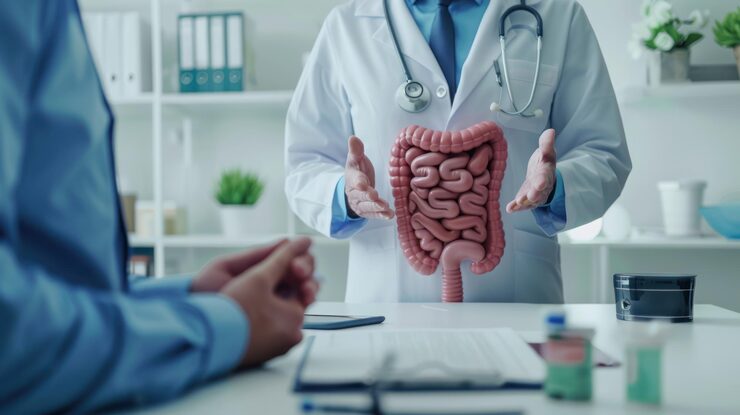
Advanced Diagnostic & Therapeutic Endoscopic Services
Modern gastroenterology utilizes advanced, minimally invasive endoscopic procedures for early detection and non-surgical treatment of gastrointestinal conditions.
Diagnostic Upper GI Endoscopy
An upper GI endoscopy (gastroscopy) uses a thin, flexible tube with a high-definition camera to examine the mucosal lining of the esophagus, stomach, and upper small intestine. It is indicated for evaluating chronic acid reflux, upper stomach pain, swallowing difficulties, unexplained anemia, or internal bleeding. During the procedure, small tissue samples (biopsies) can be painlessly taken to test for H. pylori, celiac disease, or early mucosal changes.
Diagnostic & Preventive Colonoscopy Screening
A colonoscopy provides a clear, detailed visual examination of the inner lining of the large intestine (colon) and rectum. It serves as a diagnostic tool for chronic diarrhea, rectal bleeding, or abdominal pain, as well as the gold-standard preventive screening method for colon cancer. Precancerous polyps discovered during a colonoscopy can be safely removed during the procedure (polypectomy), preventing their progression.
Painless Endoscopy & Patient Comfort Protocols
Patient anxiety about endoscopic procedures is common. Modern gastroenterology practices prioritize patient comfort by offering painless endoscopy under light conscious sedation monitored by medical professionals. Patients remain comfortably asleep throughout the 10-to-15-minute procedure without feeling gagging or pain, waking up smoothly after completion.
Dr. Yashavanth's medical insight: Most chronic digestive complaints have a treatable root cause. An accurate diagnosis—not repeated antacid use—is the first step toward lasting relief.
Why Choose Dr. Yashavanth H S for Digestive Care in Bangalore?
Choosing an experienced healthcare provider is an essential step in restoring your digestive health. Dr. Yashavanth H S brings over 14 years of clinical experience, advanced training in therapeutic endoscopy, and a patient-first approach to gastroenterology and liver care.
- Advanced Clinical Qualifications: Dr. Yashavanth completed his MD in General Medicine from Bangalore Medical College and earned his DrNB in Gastroenterology from the internationally renowned Asian Institute of Gastroenterology.
- Specialized Expertise: Skilled in therapeutic procedures such as ERCP, Endoscopic Ultrasound (EUS), Peroral Endoscopic Myotomy (POEM for Achalasia Cardia), and Early GI Cancer Screening.
- Root-Cause Methodology: Focuses on detailed clinical evaluation, transparent diagnostic reporting, and individualized treatment planning.
- Accessible Practice Locations: Consults across key locations in Bangalore, including Manipal Hospital Yelahanka, Manipal Hospital Hebbal, and INSTINE Centre Nagarbhavi.
Conclusion: Take Charge of Your Digestive Health Today
Your gastrointestinal system is central to your body's overall health, daily energy, and well-being. Persistent stomach pain, acid reflux, bloating, or liver health concerns should not be ignored. With accurate diagnostic tools, individual treatment plans, and professional medical guidance, long-term relief and optimal gut health are achievable.
If you are looking for the best gastroenterologist in Bangalore or need expert gut and liver care near Yelahanka, Hebbal, or Nagarbhavi, schedule your consultation with Dr. Yashavanth H S today.
Book AppointmentFrequently Asked Questions (FAQs)
1. Who is considered the best gastroenterologist in Bangalore for complex stomach and liver disorders?
Dr. Yashavanth H S is widely recognized as a leading gastroenterologist and hepatologist in Bangalore. With advanced DrNB training from the Asian Institute of Gastroenterology and over 14 years of clinical experience, he offers comprehensive care for GERD, fatty liver, IBS, IBD, and advanced endoscopic procedures.
2. What symptoms mean I should see a gastroenterologist immediately?
You should consult a GI specialist if you experience persistent heartburn, difficulty or pain when swallowing, severe abdominal pain, dark tarry stools, blood in vomit or stool, unexplained weight loss, chronic diarrhea/constipation lasting over two weeks, or yellowing of the eyes and skin (jaundice).
3. What is the difference between a medical gastroenterologist and a GI surgeon?
A medical gastroenterologist diagnoses and treats GI and liver conditions using non-surgical medication, diet management, and non-invasive endoscopic procedures (such as Endoscopy, Colonoscopy, ERCP, and EUS). A GI surgeon performs open or laparoscopic surgical operations to repair or remove organs.
4. How much does an upper GI endoscopy cost in Bangalore?
An upper GI endoscopy cost in Bangalore generally ranges between ₹3,500 and ₹9,500. The cost varies depending on hospital facility, whether conscious sedation is used, and if diagnostic biopsies or therapeutic interventions (like band ligation or polyp removal) are performed.
5. Is an upper GI endoscopy procedure painful?
No, an upper GI endoscopy is not painful. Modern endoscopy clinics use local throat spray anesthesia or conscious sedation. Patients remain relaxed during the quick 10-to-15-minute procedure without feeling gagging or distress.
6. How do I prepare for a colonoscopy procedure?
Colonoscopy prep requires taking a prescribed laxative solution 12 to 24 hours prior to clear the colon completely, along with adhering to a clear liquid diet. Detailed prep guidelines are provided during your initial consultation.
7. Can Fatty Liver Disease be reversed?
Yes, early-stage Non-Alcoholic Fatty Liver Disease (NAFLD) is reversible through structured dietary interventions, weight management, exercise, and targeted medical therapy before it progresses to irreversible liver fibrosis or cirrhosis.
8. How is Irritable Bowel Syndrome (IBS) treated?
IBS treatment involves a personalized approach including low-FODMAP diets, stress management, gut-brain axis medications, antispasmodics, and targeted probiotics tailored to your specific IBS subtype (IBS-D, IBS-C, or IBS-M).
9. What lifestyle changes help manage chronic GERD (Acid Reflux)?
Key lifestyle adjustments include eating smaller meals, avoiding late-night dinners (no food 3 hours before sleep), elevating the head of your bed, quitting smoking, reducing spicy/fatty foods, and managing daily stress.
10. At what age should I get screened for colon cancer?
Routine colon cancer screening via colonoscopy is recommended starting at age 45 for average-risk individuals. If you have a family history of colorectal cancer or inflammatory bowel disease (IBD), screening should start earlier.
11. How does workplace stress affect gut health?
Chronic stress triggers the gut-brain axis, altering gut motility, increasing mucosal sensitivity, disrupting gut microbiome balance, and worsening conditions like acid reflux, IBS, and functional dyspepsia.
12. What causes persistent abdominal bloating and gas?
Persistent bloating can be caused by SIBO (Small Intestinal Bacterial Overgrowth), food intolerances (like lactose or gluten sensitivity), slow gut motility, IBS, constipation, or gallbladder disorders.
13. How long does recovery take after a colonoscopy under sedation?
Most patients recover from conscious sedation within 1 to 2 hours. You can eat a light meal shortly after and return to work or normal activities the following day.
14. Where does Dr. Yashavanth H S provide consultations in Bangalore?
Dr. Yashavanth H S consults at Manipal Hospital Yelahanka, Manipal Hospital Hebbal, and INSTINE Centre for Gastroenterology & Hepatology in Nagarbhavi, Bangalore.
15. How do I schedule an appointment with Dr. Yashavanth H S?
You can book an appointment by visiting https://www.dryashavanth.com/, using the online scheduling portal, or calling the clinic consultation desk directly.
