Fatty Liver Is Not Just a Harmless Scan Finding
It is easy to dismiss a routine ultrasound report that mentions a “fatty liver.” Bangalore's desk-bound work culture and changing dietary habits may make it seem like an unavoidable part of modern living, but it deserves timely attention.
Fatty Liver Disease—now clinically known as Metabolic Dysfunction-Associated Steatotic Liver Disease (MASLD)—is a leading cause of chronic liver dysfunction across urban populations. Without management, simple fat accumulation can progress to inflammation, fibrosis, cirrhosis, or liver failure.
The good news is that fatty liver is preventable and often reversible in its early stages. This guide explains the warning signs, root causes, tests, and medical steps available under the care of a gastroenterologist and hepatologist in Bangalore.
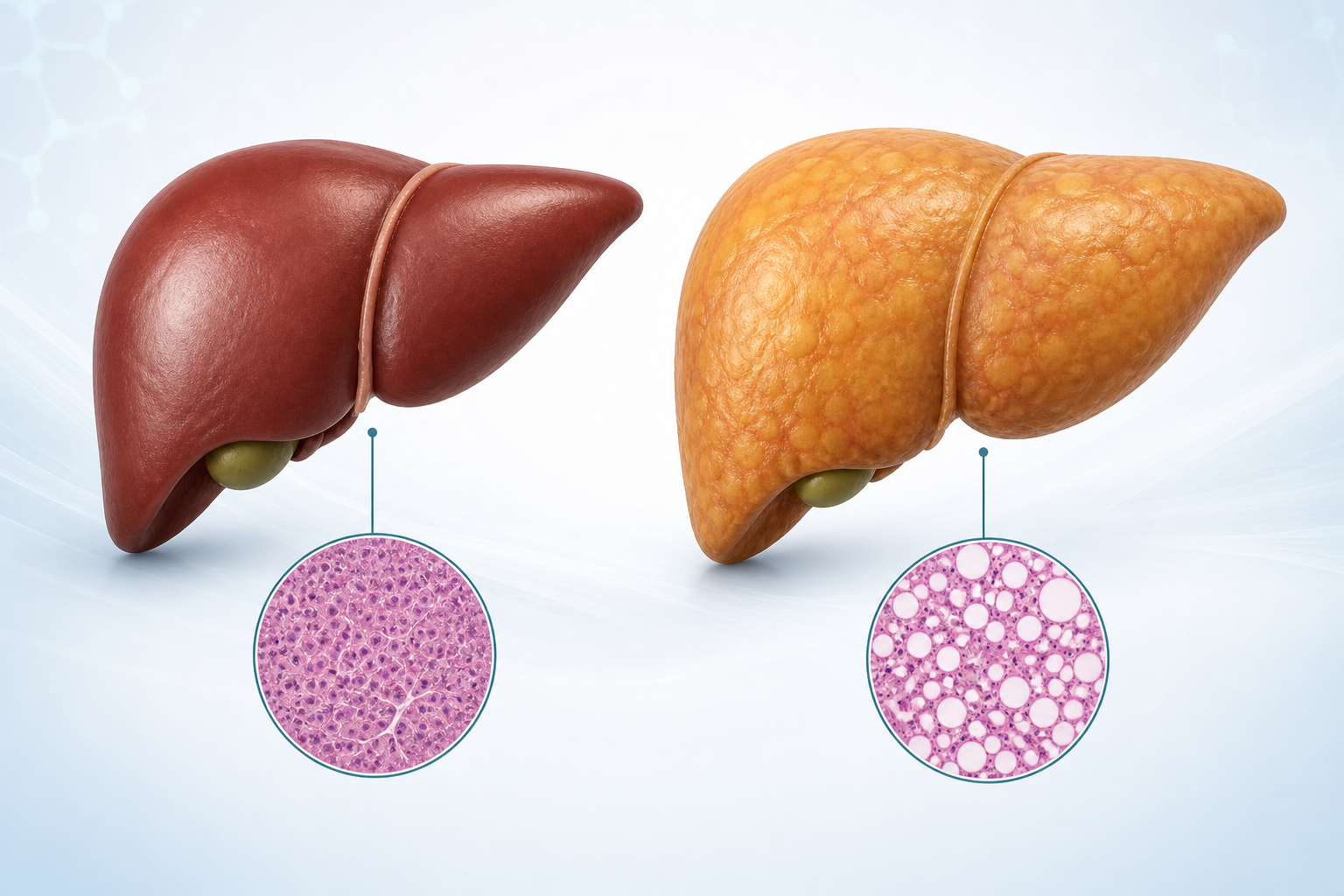
What Is Fatty Liver Disease?
Fatty liver occurs when excess fat builds up inside liver cells. A small amount of fat is normal, but the condition is diagnosed when fat accounts for more than 5% to 10% of the liver's total weight.
- MASLD / NAFLD: Fat buildup associated with obesity, high blood sugar, insulin resistance, high cholesterol, and other metabolic factors rather than heavy alcohol intake.
- Alcohol-Related Liver Disease (ALD): Liver damage associated with long-term excessive alcohol use.
Warning Signs of Fatty Liver
Stage 1 fatty liver is often asymptomatic, earning it the name “the silent condition.” As fat accumulates, subtle signs may begin to appear.
Persistent Fatigue and Low Energy
Feeling unusually drained despite getting adequate rest.
Mild Upper-Right Abdominal Discomfort
A vague heaviness, fullness, or dull ache below the right ribcage.
Unexplained Weight Gain
Difficulty losing stubborn abdominal or visceral fat.
Elevated Liver Enzymes
Abnormal SGOT (AST) or SGPT (ALT) found during routine blood tests.
Insulin Resistance or Blood Sugar Spikes
Difficulty maintaining stable blood glucose levels.
Red flag: Yellowing of the skin or eyes, swelling in the feet or abdomen, or unexplained bruising requires prompt assessment. Read about liver disease care or contact the clinic.
Who Is at Risk?
Metabolic health and liver function are closely linked. Sedentary work environments and processed diets may raise the risk for patients in areas such as Hebbal, Nagarbhavi, and Yelahanka, especially when combined with:
- Type 2 diabetes or pre-diabetes
- Overweight or visceral obesity around the waist
- High cholesterol or triglycerides
- High blood pressure
- High intake of refined carbohydrates and fructose
- Insufficient routine exercise
Patients working toward healthy weight reduction can also review the clinic's obesity and weight-management care.
How Is Fatty Liver Diagnosed?
Early detection is important for preventing permanent liver scarring. A specialist evaluation commonly includes:
- Abdominal ultrasound: A non-invasive scan used to identify fat deposits in the liver.
- Liver Function Tests (LFT): Blood tests for SGOT, SGPT, bilirubin, and other markers of liver injury.
- FibroScan / liver elastography: A non-invasive test that measures liver stiffness and fat content, often without a needle biopsy.
Can Fatty Liver Be Reversed?
Yes. The liver can regenerate. When fatty liver is diagnosed during simple steatosis or early inflammation, structured lifestyle changes and medical intervention can reverse fat accumulation in many patients.
Improve Food Quality
- Reduce refined carbohydrates and added sugar: Limit sweetened drinks, bakery foods, white rice, white bread, and processed foods.
- Choose more fiber: Include leafy vegetables, whole grains, pulses, nuts, and lean proteins.
Lose Weight Gradually
Losing approximately 7% to 10% of total body weight can reduce liver fat and inflammation. Avoid crash diets because very rapid weight loss may strain the liver.
Exercise Consistently
Aim for at least 150 minutes of moderate aerobic exercise, such as brisk walking, cycling, or swimming, each week. Add light strength training to help improve insulin sensitivity.
When Should You Consult a Specialist?
Specialist consultation is important when lifestyle changes do not improve results or liver enzymes remain elevated. It helps rule out other metabolic or liver conditions and allows an individualized treatment plan.
Explore nearby consultation information for Hebbal, Yelahanka, Vijayanagar, and Rajajinagar.
Frequently Asked Questions (FAQs)
1. How long does it take to reverse a fatty liver?
With a healthy diet, regular exercise, and 7% to 10% weight reduction, early Grade 1 or Grade 2 fatty liver can often improve within 3 to 6 months. Individual outcomes vary and should be monitored by a doctor.
2. Can I develop fatty liver if I do not drink alcohol?
Yes. MASLD is primarily associated with insulin resistance, high cholesterol, Type 2 diabetes, abdominal obesity, and other metabolic factors—not alcohol use.
3. What is the difference between Grade 1, Grade 2, and Grade 3 fatty liver?
Grade 1 is mild fat accumulation, Grade 2 is moderate accumulation that may include inflammation, and Grade 3 is severe accumulation with a greater risk of inflammation and fibrosis.
4. Are there medicines to cure fatty liver?
Lifestyle and weight management remain central. A gastroenterologist may treat diabetes, high lipid levels, obesity, or specific liver inflammation according to the patient's individual needs.
5. When should I see a gastroenterologist or hepatologist in Bangalore?
Schedule a consultation if liver enzymes are elevated, an ultrasound reports Grade 2 or Grade 3 fatty liver, or diabetes is accompanied by abdominal weight gain. Seek prompt care for jaundice, swelling, or unexplained bruising.
Take Action Before Liver Damage Progresses
Fatty liver does not have to lead to irreversible damage. Early detection, precise diagnostics, and personalized guidance can help restore liver health.
Schedule an appointment with Dr. Yashavanth H S, Consultant Gastroenterologist, Hepatologist & Advanced Endoscopist.
Book Appointment